

Prosthodontics
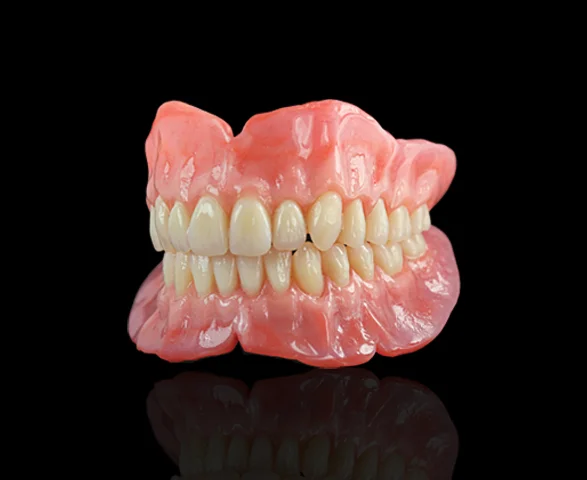
Complete Dentures
Complete dentures are a viable option for patients who are not candidates for implant-based alternatives. Featuring high-performance base materials and a range of denture tooth options, complete dentures offer a functional alternative that is both esthetic and durable.
The three main principles that guide us in the design of complete denture prosthetics are function, stability, and retention. The most important factor to denture wearers is esthetics. Understanding a denture wearer’s desires enables us to exceed their esthetic expectations. Dentures are tissue-supported and must be periodically relined due to residual ridge resorption.
What Are Partial Dentures?
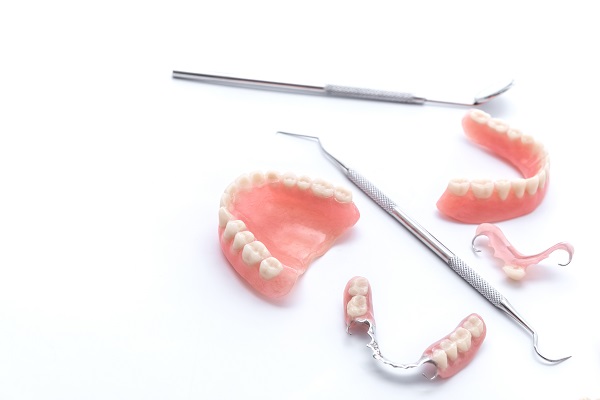
Partial dentures are a popular replacement option for missing teeth. You could potentially benefit from them if you have lost some of your permanent teeth, but there are still some healthy ones that remain in the jaw. Your dentist can explain if you are a candidate for partials. If you are, you should learn all you can about them before you decide.
Who qualifies for partial dentures?
Partial dentures are typically recommended for someone who has two or more missing teeth that are right next to each other. However, if you have multiple missing teeth that are not right next to each other, or if you are only missing one tooth, then you may need to seek out another treatment option.
How durable are partial dentures?
The durability of your partial dentures depends on the materials used and whether your healthcare provider gave you temporary or permanent partial dentures. Typically, metal dentures are the most durable, while plastic ones are easier to damage. There are also hybrids that are somewhere in the middle. Keep in mind that the term “permanent denture” is often misleading, too. Even a permanent denture option will need to be replaced every 5 or 10 years due to wear and tear.
Implant Dentures: Restore Your Smile, Regain Confidence & Function
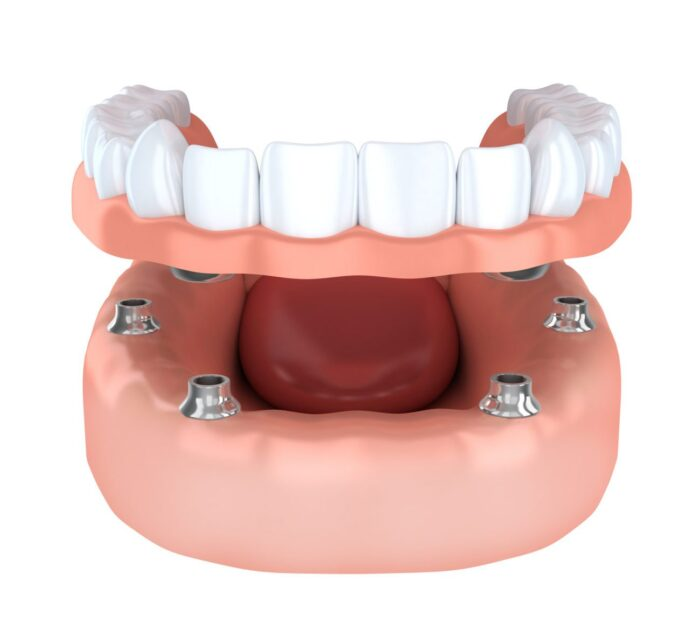
What Are Implant Dentures?
- Ball-Retained Implant Dentures: This type uses small ball attachments on the implants, which snap into corresponding sockets on the denture. It’s a removable option that offers easy cleaning and adjustment, while still providing superior stability compared to traditional dentures.
- Bar-Retained Implant Dentures: A thin metal bar is attached to the implants, and the denture is clipped or slid onto the bar. This option provides even greater stability and is ideal for patients with less jawbone density or those who want a more secure fit.
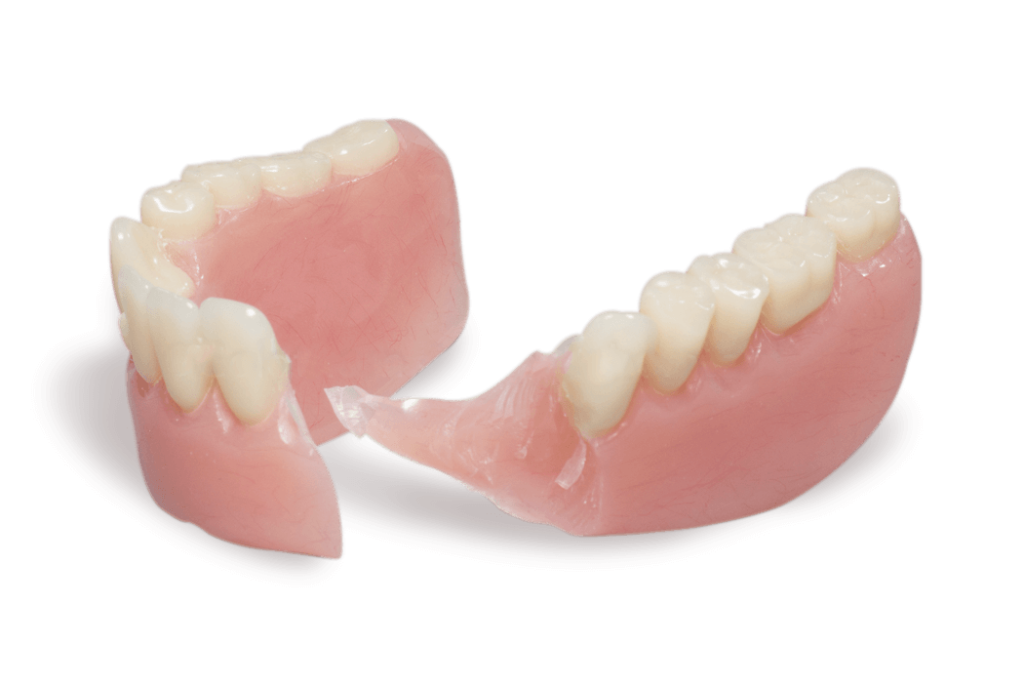
When Do You Need Denture Repair?
- Cracks or Chips: Small cracks in the denture base or chipped teeth can worsen over time, leading to further damage or discomfort. Even tiny chips can affect the appearance of your smile and make chewing difficult.
- Broken or Missing Teeth: Accidental drops or biting down on hard foods can cause denture teeth to break or fall out, leaving gaps in your smile and reducing your ability to chew properly.
- Loose or Ill-Fitting Dentures: Over time, your jawbone and gums change shape, causing dentures to become loose. This can lead to slipping, shifting, or sore gums—even if your dentures were once a perfect fit.
- Worn Down Surfaces: Constant chewing can wear down the denture teeth, making them less effective for biting and chewing and altering the appearance of your smile.
- Damaged Clasps (for Partial Dentures): Clasps that hold partial dentures in place can bend, break, or become loose, compromising the stability of your denture.
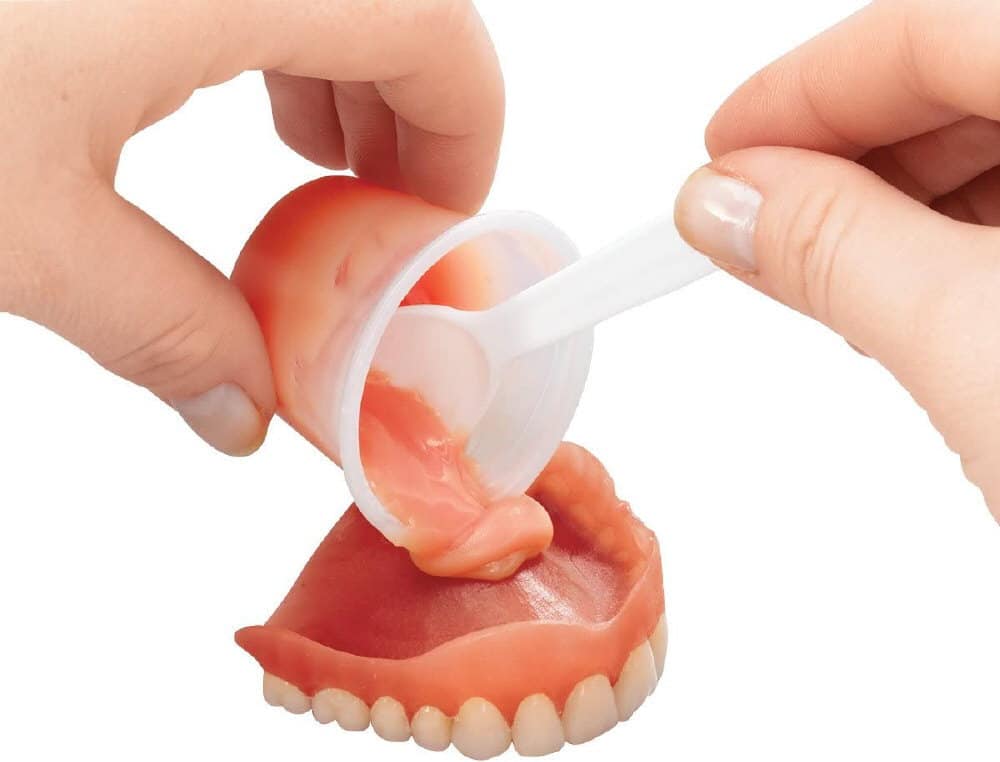
Denture Relining: Restore a Perfect, Comfortable Fit to Your Dentures
What Is Denture Relining?
- Soft Relining: Ideal for patients with sensitive gums or those who experience discomfort from hard denture surfaces. Soft relining uses a flexible, rubber-like material that conforms to your gums, providing extra comfort and reducing pressure points. It’s often recommended for temporary use or for patients with thin gums.
- Hard Relining: A more durable option that uses a rigid, acrylic material to resurface the denture. Hard relining provides a long-lasting, secure fit and is ideal for patients with stable gum and jawbone structure. It’s the most common type of relining for long-term use.
How to Maintain Your Relined Dentures
- Clean Gently: Use a soft-bristled denture brush and non-abrasive denture cleaner to clean your relined dentures daily. Avoid harsh cleaners or regular toothpaste, as they can damage the relining material (especially soft relining).
- Handle with Care: Always hold your dentures over a soft surface (like a towel or basin of water) when cleaning or handling them to prevent drops and damage.
- Soak Overnight: When not in use, soak your dentures in a denture soaking solution or water. For soft relined dentures, use a solution specifically designed for soft liners to avoid damaging the material.
- Avoid Harmful Habits: Don’t bite down on hard foods (like ice, nuts, or hard candy), as this can damage the relining material or the denture itself. Also, avoid using your dentures to open packages.
- Attend Regular Checkups: Visit our clinic every 6 months for a denture checkup. We’ll inspect the relining material for wear, adjust the fit if needed, and ensure your oral health remains optimal.
Full Mouth Reconstruction Schaumburg, IL