

Oral Surgery
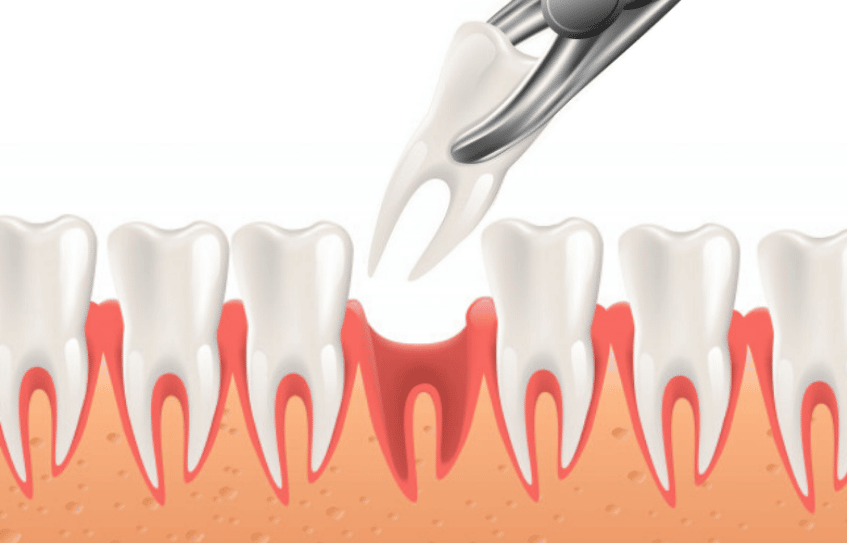
What is a Simple Extraction?
If you are told that you have to have a tooth extracted, this could make you nervous. But don’t worry, this is generally a simple procedure that is very short and usually has a quick recovery time. A simple extraction is when a tooth is removed from the dental socket in your mouth; in layman’s terms, a tooth extraction is just pulling a tooth. A simple extraction is characterized by it being a simpler procedure that doesn’t require surgery in order to remove the whole tooth. Simple extractions are done when the tooth is not broken and can come out at the root with relative ease in a dental office. Many extractions are simple extractions, and they are quite common in dentistry.
Why might I need a simple extraction?
In general, our aim is to help you keep your teeth healthy and for as long as possible. However, there are cases in which this is not always possible. There are many reasons why you might need a tooth extraction. These include:
- Trauma to the mouth in which the tooth or its root has been fractured
- The tooth is very damaged, which can make it impossible to restore. This could be because of extreme decay, cavities, or infection
- Advanced periodontal (gum) disease that is causing the teeth to become loose
- Mouth crowding: if there is not enough space in your mouth for all your teeth, the dentist might recommend a simple extraction (even if the teeth are healthy)
What makes an extraction “Simple”
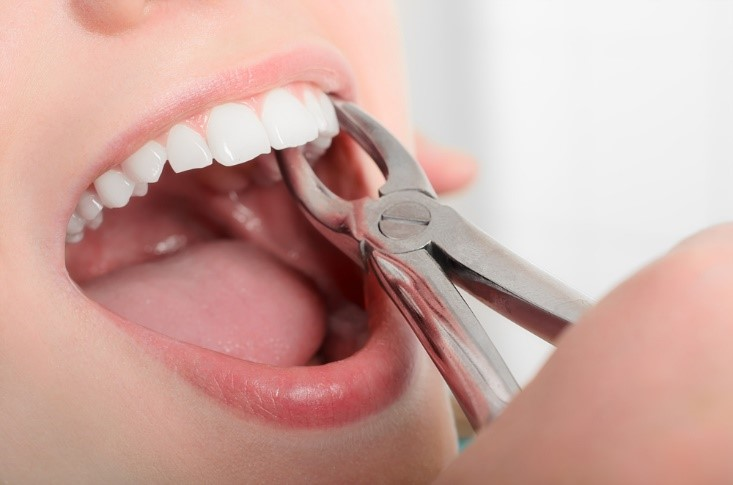
A simple extraction means that the dentist can remove the tooth at the root simply by loosening the tooth through a series of small procedures, and pulling it out with forceps, without the need for any extra bone removal or a surgery of the gums in order to remove the whole tooth. This is the quickest and least complicated type of dental extraction.
Surgical Extractions
A surgical extraction is one in which the doctor has to remove gum tissue or bone in order to extract the tooth. An x-ray will be necessary to know if you need a surgical extraction or not. Removing some wisdom teeth, severely broken down teeth, and root tips or teeth with long-curved roots are some examples of cases in which surgical extractions are necessary.
The first step is to administer a local anesthetic to numb the area around the extraction. The doctor will use a topical numbing gel for a couple of minutes prior to injecting the anesthetic to minimize the discomfort from the injection. Afterward, a small incision will be made to the gum line in order to remove the tooth. After removing the tooth, the doctor will then close the incision with stitches. These stitches will heal and dissolve on their own. The doctor will provide post-treatment instruction for a speedy recovery and to prevent complications.
Wisdom teeth removal
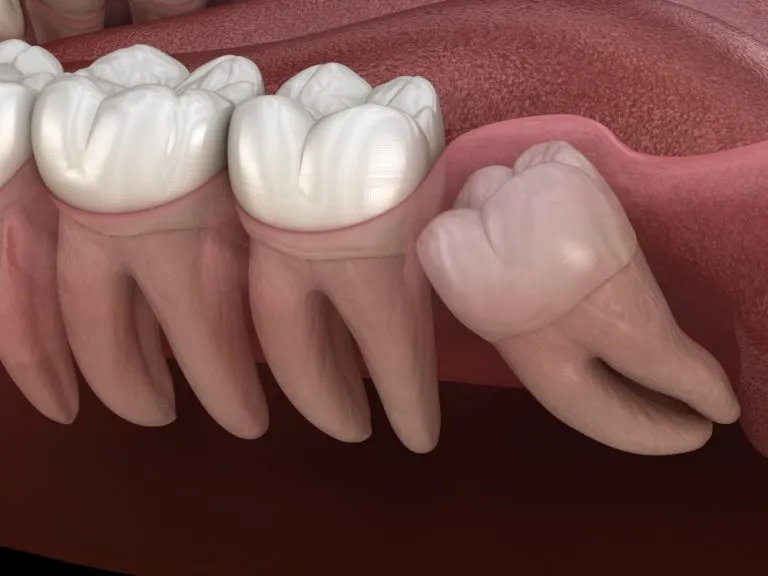
The wisdom teeth, or your third molars, are the last of your adult teeth to develop. Unfortunately, these teeth are often impacted, resulting in misalignment of other teeth, tooth decay or gum disease. It is recommended that wisdom teeth be extracted early before they can cause future problems. If you are experiencing wisdom tooth pain or discomfort,O’Reilly Dental provides wisdom tooth removal as an effective way to improve your quality of life and preserve your smile.
Your comfort is our number one priority. At O’Reilly Dental we offer a variety of anesthesia and sedation options depending on the specific needs of each patient. These options will be discussed with you at your consultation.
What Is Bone Grafting?
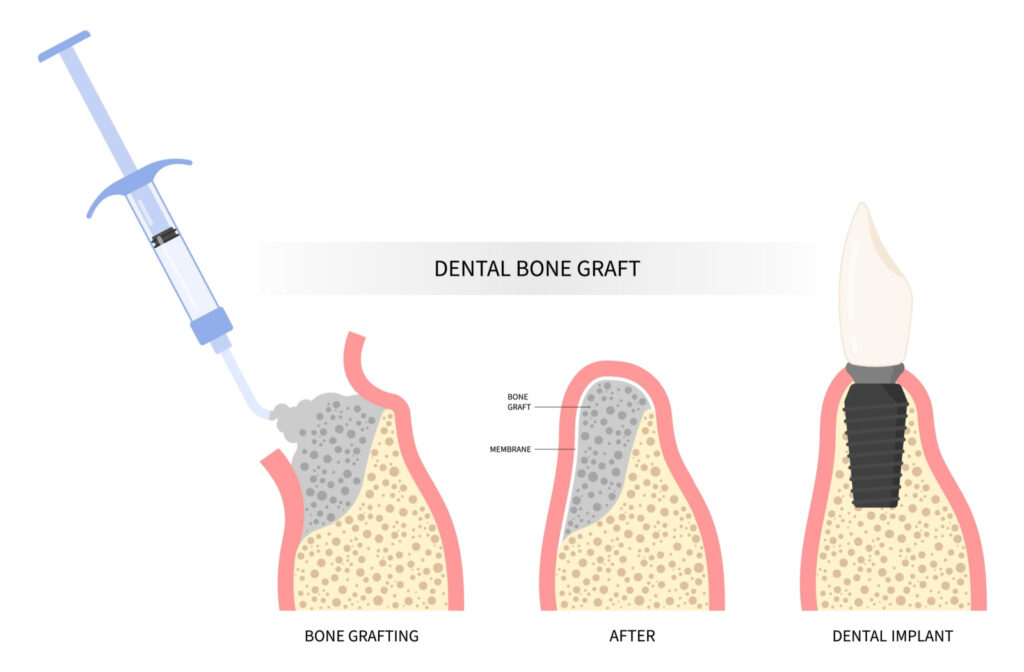
When teeth are missing for a long period, the jawbone in that area can shrink and weaken. This loss of bone can make it harder—or sometimes impossible—to place dental implants without additional treatment.
Bone grafting allows us to rebuild missing bone and encourage new bone growth. This not only supports implants of the proper size but also restores your smile’s function and appearance.
Frenectomy
A frenum (also called frenulum) is a band of tissue that connects or holds down a part of the body such as the tongue, lip, or cheeks. The band of tissue connecting the lip to the gum tissue in front of the teeth is called the labial frenum, while the band connecting the tongue to the floor of the mouth is called the lingual frenum.
A diastema, or large space between the two front teeth may be caused by an unusually thick or tight labial frenum attached very low on the gums close to the teeth. Orthodontic treatment followed by a frenectomy can permanently correct this problem.
An unusually thick, large or tight lingual frenum can seriously constrict movement of the tongue and interfere with speech. This is often referred to being “tongue-tied.”
A frenectomy is a simple surgical procedure in which the band of tissue is excised, usually with a dental laser. The procedure only takes a few minutes and is done using local anesthetic. The use of a laser results in less bleeding and faster healing with minimal discomfort. No sutures are usually required when a laser is used.