

Periodontal (Gum) Treatment
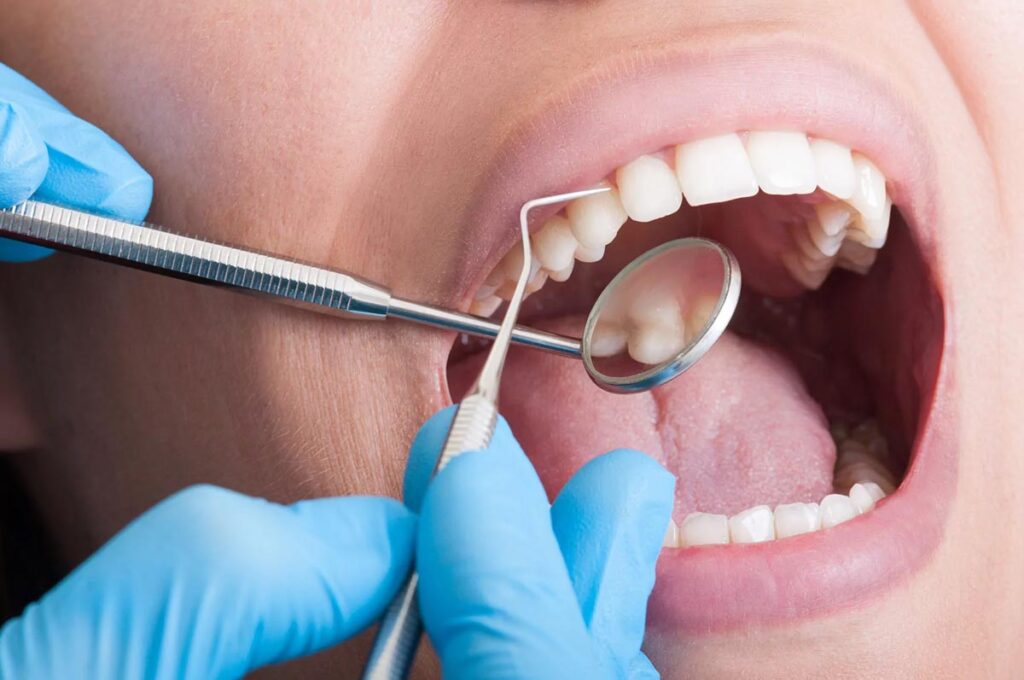
Scaling and Root Planing: Next-Level Cleaning
When you visit the dentist for a routine examination and cleaning, it’s normal to have your teeth polished. The hygienist will remove any buildup on the surface of the teeth, including plaque and tartar. This general cleaning removes tartar from the surface of the teeth. It’s recommended that everyone book this type of appointment twice a year.
In comparison, a dental scaling and root planing procedure is much deeper and more intensive. If there is tartar buildup below the gumline, then it’s necessary to remove these spots. Different techniques are used for scaling and root planing:
- Scaling: This treatment is when the tartar is being removed, both above and below the gumline. A dental tool is used to scrape away the buildup that has attached to your teeth.
- Root Planing: Also, root planing is completed to smooth the rough surface of the teeth. The purpose is to prevent bacteria from sticking to the grooves.
Most of the time, scaling and root planing are done at the same time. These services can often be completed in a single appointment. But sometimes it’s necessary to have two appointments for severe cases.
Periodontal therapy
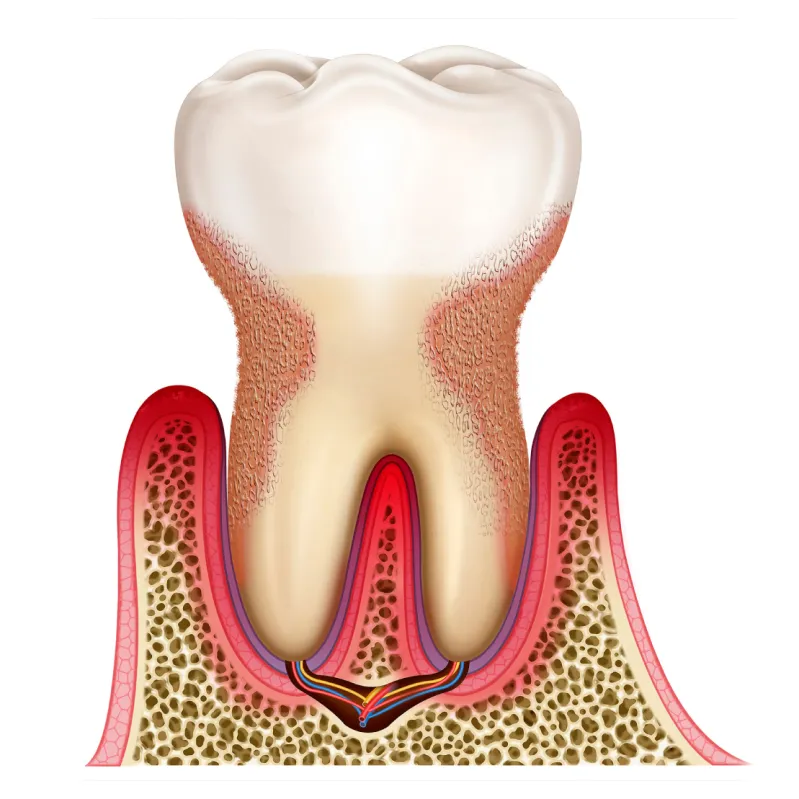
Periodontitis can cause permanent damage to gums and the bone supporting teeth. If left untreated, periodontitis can result in tooth loss. There is also evidence linking periodontitis and other health concerns such as cardiovascular disease.
The severity of periodontal disease is determined using dental X-rays and by measuring pocket depths. Diseased gum tissue can pull away from teeth and form “pockets” that provide a trap for plaque and bacteria.
Gum grafting
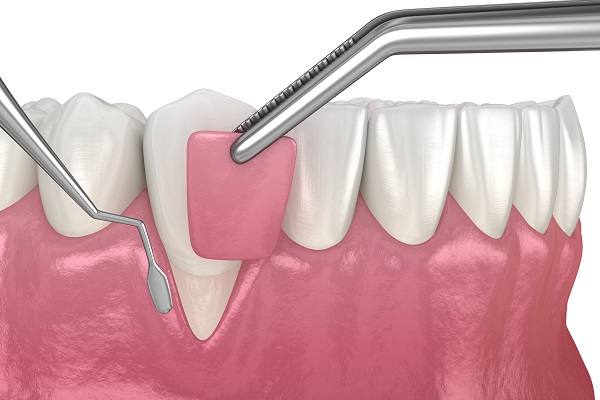
Gingival or gum recession is a common dental issue that can result in severe damage if left untreated. This condition occurs when the gum tissue surrounding teeth wears down or pulls away to expose too much tooth or tooth root.
If you are uncertain whether you have gingival recession, schedule an evaluation with your periodontist to make sure things are stable. The condition usually develops gradually, and you may not realize your gums are receding. Tooth sensitivity, or changes in the appearance of your teeth and gums are signs to watch for when looking for gingival recession.
Crown lengthening
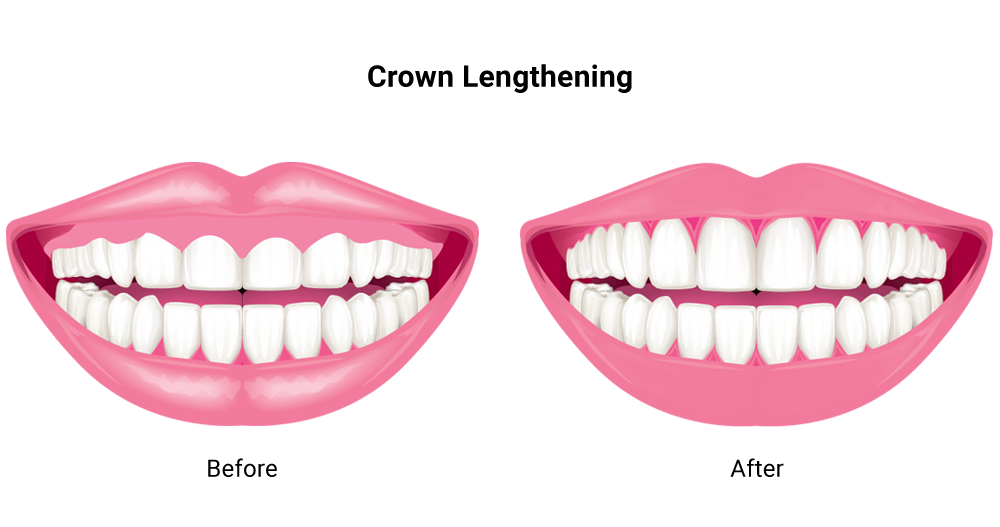
Crown lengthening is a very common procedure used for functional and cosmetic purposes. In restorative dentistry, crown lengthening is used to prepare the teeth for dental restorations, such as caps and crowns, which require a sufficient amount of tooth structure above the gum line in order to support new restorations. Other patients may elect to undergo crown lengthening in an attempt to cosmetically treat a ‘gummy’ smile. Careful contouring can remove excess gum tissues surrounding the teeth, revealing a more aesthetically appealing smile.

Pocket reduction surgery
Pocket reduction surgery, also known as osseous surgery, helps keep the mouth and body healthy by removing debris from the pockets that form as a result of periodontal disease. Healthy gums should have pockets (or openings under the gum line) less than 2- to 3-millimeters in depth. Gum disease can deepen these pockets. Pocket reduction surgery can help.
Take control of your oral health. Call us today at (847) 619-0330 to schedule an appointment or learn more about our services.
What Is Laser Gum Treatment?
Laser gum treatment, also known as laser periodontal therapy, is a minimally invasive dental procedure that uses concentrated light energy to target and remove infected tissue, leaving healthy tissue intact. This modern form of surgery can treat gum disease, whether it’s mild or severe, without the need for cutting or stitching like in traditional gum surgery.
Benefits of Laser Gum Treatment
Laser gum treatment offers several advantages over traditional methods:
- Minimally invasive: Doesn’t require scalpels or sutures.
- Minimal bleeding and swelling: The laser seals blood vessels during the procedure, leading to minimal bleeding, less discomfort, and a shorter recovery time.
- Faster healing: Recovery is quicker, with less swelling compared to traditional gum surgery.
- Lower risk of infection: The heat from the laser energy sterilizes the area, reducing the risk of infection during and after the surgical procedure.
- Precision and efficiency: Lasers precisely remove infected tissue and harmful bacteria while preserving healthy tissue.