

Pediatric Dentistry
What Happens During a Typical Children's Dental Exam?
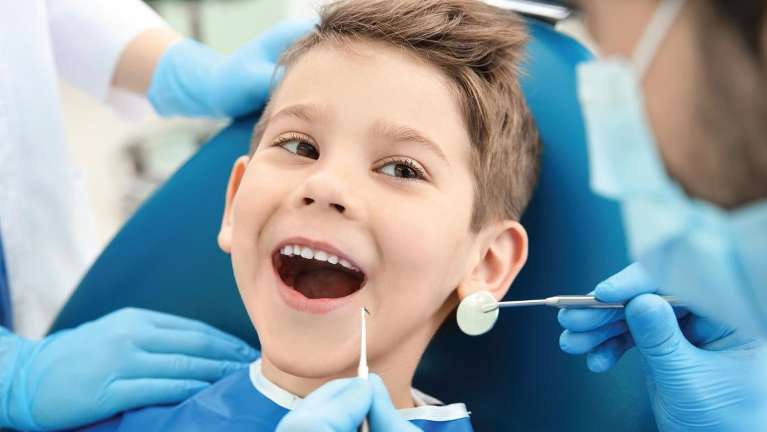
A pediatric dental exam is designed to be quick, thorough, and comfortable. Here’s what typically happens during the appointment:
- Oral examination — The dentist thoroughly checks your child’s teeth, gums, and jaw for signs of cavities, gum disease, or developmental concerns.
- Professional cleaning — A dental hygienist gently removes plaque and tartar buildup and polishes the teeth to prevent decay.
- Fluoride treatment — An optional fluoride application strengthens enamel and helps prevent cavities.
- X-rays — Dentists may take x-rays to detect hidden cavities, check tooth development, and monitor spacing.
- Parental guidance — The dentist will provide you with tips on brushing, flossing, diet, and other factors affecting your child’s oral health.
These initial dental exams typically last 30–45 minutes, ensuring your child’s teeth remain healthy and strong.
Are Dental X-Rays Safe for Children?
Many parents worry about the safety of dental x-rays. However, modern technology has made them extremely safe for children. Pediatric dentists follow strict guidelines to minimize radiation exposure, including using lead aprons and thyroid collars to further reduce exposure and opting for low-radiation digital x-rays, which emit significantly less radiation than traditional film x-rays.
X-rays are valuable tools for detecting cavities between teeth, monitoring growth, and identifying hidden dental concerns. When used appropriately, they pose no significant risk to children’s health. Note also that most dentists will only take x-rays when needed to diagnose issues that cannot be seen during a visual exam.
The Importance of Pediatric Dental Cleanings
Children’s teeth are constantly growing and changing, so it’s crucial to maintain regular dental cleanings. Pediatric oral cleanings help remove plaque and tartar buildup, which can otherwise lead to cavities and gum disease.
By visiting your O’Reilly Dental practice, you’re helping ensure your child’s teeth stay healthy and strong while preventing future dental problems that may arise from poor oral hygiene. These regular visits help your child establish healthy dental habits early, setting them up for a lifetime of good oral health.
- Prevention of Cavities: Removing plaque and tartar helps prevent cavities, one of the most common dental issues in children.
- Healthy Gums: Regular cleanings help maintain healthy gums, which are essential for your child’s overall oral health.
- Early Detection of Problems: Regular visits allow the dentist to identify early signs of dental issues, such as misaligned teeth or tooth decay, before they require more complex treatment.
- Developing Healthy Habits: Regular visits to the dental office help children understand the importance of oral hygiene, including brushing and flossing, which will serve them throughout their lives.
What Happens During a Pediatric Dental Cleaning?
A pediatric oral cleaning is a straightforward, gentle procedure designed to help your child feel at ease during their teeth cleaning. Here’s what you can expect during the visit:
- Examination: Your pediatric dentist will begin by examining your child’s teeth and gums for potential issues such as tooth decay or gum disease.
- Cleaning: Using specialized tools, the dentist or hygienist will carefully remove plaque and tartar from your child’s teeth, helping to prevent cavities and gum disease.
- Polishing: After the cleaning, the teeth will be polished with a special toothpaste, leaving them smooth and shiny.
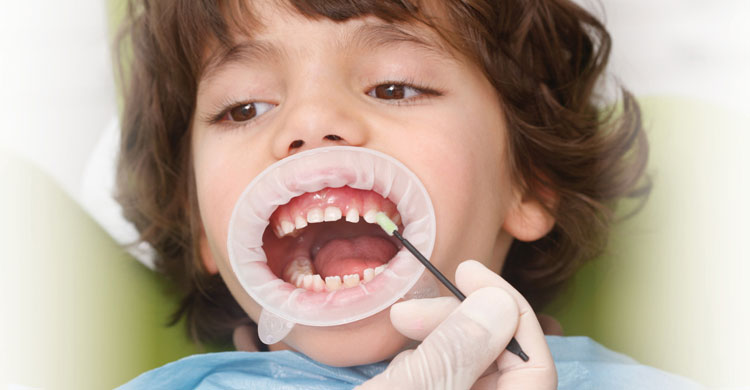
- Fluoride Treatment: A fluoride treatment may be applied to help strengthen the enamel and protect your child’s teeth from future decay.
Fluoride for children
What is fluoride?
The fluoride ion comes from the element fluorine. Fluoride, either applied topically to erupted teeth, or ingested orally (called systemic fluoride) during tooth development, helps to prevent tooth decay, strengthen tooth enamel, and reduce the harmful effects of plaque. Fluoride also makes the entire tooth structure more resistant to decay and promotes remineralization, which aids in repairing early decay before the damage is even visible.
Where is fluoride found?
Topical Fluoride
- Found in products containing mild (available over the counter) or strong (by prescription) concentration of fluoride (for example, toothpastes or mouthrinses)
- Fluoridated varnishes and/or gels either topically applied by a dentist or other oral health care professional, or prescribed as an at-home regimen (particularly for people with a high risk of dental caries)
Systemic Fluoride
- Public and private water supplies
- Soft drinks
- Teas
- As dietary supplements
- Some bottled water supplies
Once ingested, systemic fluoride is absorbed via the gastrointestinal tract and distributed and deposited throughout the body via the blood supply.
Who should receive extra fluoride?
It is recommended by the American Academy of Pediatric Dentistry that children between the ages of 6 months and 16 years take in some form of fluoride every day. The most common sources are drinking water (not bottled water) and toothpastes that contain fluoride. If your child primarily drinks bottled water, talk with your dentist about using a product that contains fluoride. Your child’s doctor or dentist will determine if your child is not receiving enough fluoride and may choose to prescribe fluoride supplements. These come either as drops or tablets that are taken by mouth. The amount of fluoride that is prescribed is based on the child’s age and amount of fluoride in the drinking water.
What are Pediatric Dental Fillings?
Pediatric dental fillings are a common dental procedure used to treat cavities in children. Theywork by removing the decayed part of the tooth and filling it with a safe, durable material. This procedure can help prevent further tooth decay and maintain your child’s oral health.
- Pediatric fillings are usually made from composite resin, a tooth-colored material that blends in with your child’s natural teeth.
- The procedure is quick and generally painless, with the entire process typically taking less than an hour.
Why are They Necessary?
Cavities, also known as tooth decay, are one of the most common health problems in children. If left untreated, cavities can lead to pain, infection, and even tooth loss. Dental fillings can help save your child’s tooth and prevent these issues.
- Cavities occur when bacteria in the mouth produce acids that eat away at the tooth.
- Regular brushing and flossing can help prevent cavities, but sometimes, they still occur.
The Process of Getting a Filling
The process of getting a dental filling for your child is straightforward. First, our O’Reilly Dental dentist will numb the area around the tooth with a local anesthetic. Then, they’ll remove the decayed part of the tooth and clean the area thoroughly. Finally, they’ll fill the tooth with the composite resin material.
- The dentist will take care to make the process as comfortable as possible for your child.
- After the procedure, your child may experience some sensitivity in the tooth, but this should subside within a few days.
Aftercare and Prevention
After your child has received a dental filling, it’s important to take steps to prevent further cavities. This includes maintaining a regular oral hygiene routine of brushing twice a day and flossing daily, as well as regular check-ups with the dentist.
- Encourage your child to avoid sugary drinks and snacks, which can contribute to tooth decay.
- Regular dental check-ups can help catch any potential issues early and keep your child’s teeth healthy.
What to expect during your child’s early orthodontic evaluation.
Just as you likely had questions about your child’s first dental visit so many years ago, you are probably full of questions about what an early orthodontic evaluation will entail. Before we start answering those questions for you, however, we want to reiterate that you are doing the right thing for your child by scheduling this appointment sooner rather than later.
When should an early evaluation happen?
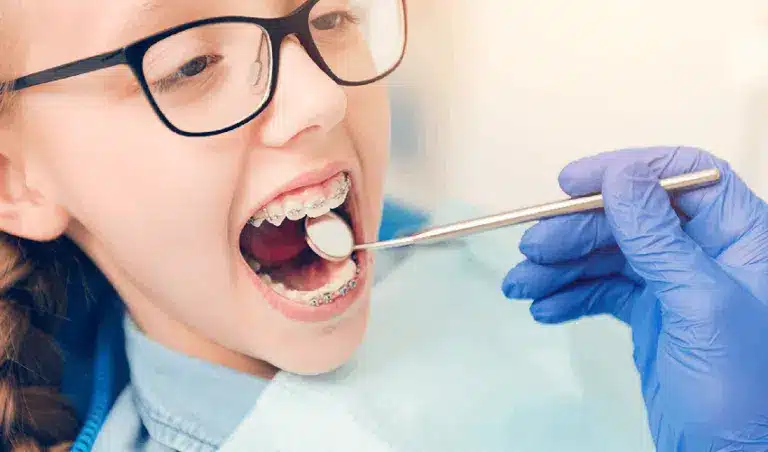
The American Association of Orthodontists suggests that children have an orthodontic evaluation by no later than age 7. One of the main reasons for this early evaluation is because all children differ in their physical and physiological development. As a result, treatment needs may vary.
Even though the checkup might indicate that your child’s bite is fine and all looks good, there is no way to know that without an assessment. Only an orthodontist or trained pediatric dentist will be able to identify the early signs of a problem. If a problem is noticed early on, it can be determined whether your child can benefit from early treatment or if it is best to wait.
Early orthodontic treatment can prevent severe problems from developing. As a result, treatment may be shorter and less complicated than it would be in later years. The added benefit is that your child may be able to avoid some of the teenage angst that comes with braces and orthodontia during the adolescent years.