

Endodontics
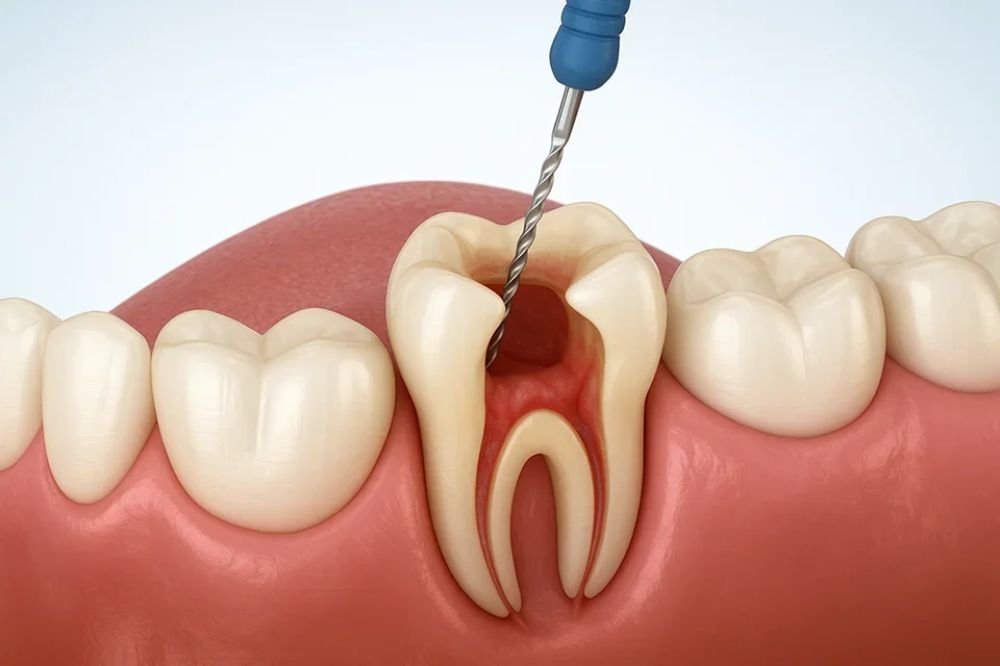
Root Canal Therapy: Save Your Natural Tooth, End Dental Pain
What Is Root Canal Therapy?
Root canal therapy is a dental procedure focused on saving a tooth by removing infected, inflamed, or dead pulp—the soft tissue inside the tooth that contains nerves, blood vessels, and connective tissue. When pulp becomes damaged due to deep cavities, tooth cracks, trauma, or gum disease, it can lead to severe pain, infection, and even tooth loss if left untreated. RCT eliminates the infection, cleans and seals the root canals, and preserves your natural tooth structure for long-term oral health.
Why Do You Need Root Canal Therapy?
You may require root canal treatment if you experience any of these signs:
- Persistent, throbbing tooth pain that worsens at night or when chewing
- Sensitivity to hot, cold, or sweet foods/drinks that lingers after the stimulus is removed
- Swelling, tenderness, or a small bump (abscess) on the gums near the painful tooth
- Discoloration of the tooth (often turning dark yellow, brown, or gray)
- Tooth pain following a dental injury or trauma
Even if you don’t feel pain, your dentist may recommend RCT if an exam or X-ray reveals pulp damage. Without treatment, the infection can spread to the jawbone, causing more serious oral health issues and requiring tooth extraction—a far more invasive and costly solution.
Root canal retreatment
A root canal is a standard dental procedure to treat an infected or damaged tooth. The procedure involves removing the damaged or infected tissue from the inside of the tooth, cleaning the area, and then filling and sealing the tooth to prevent further damage. At O’Reilly Dental in Schaumburg, IL. we offer root canal treatment to help preserve your natural teeth and protect your oral health.
Benefits of Root Canal Treatment
– Preserves your natural teeth
– Protects your oral health
– Relieves tooth pain and sensitivity
– Prevents the need for tooth extraction
– Restores the function of the tooth
– Improves the appearance of your smile
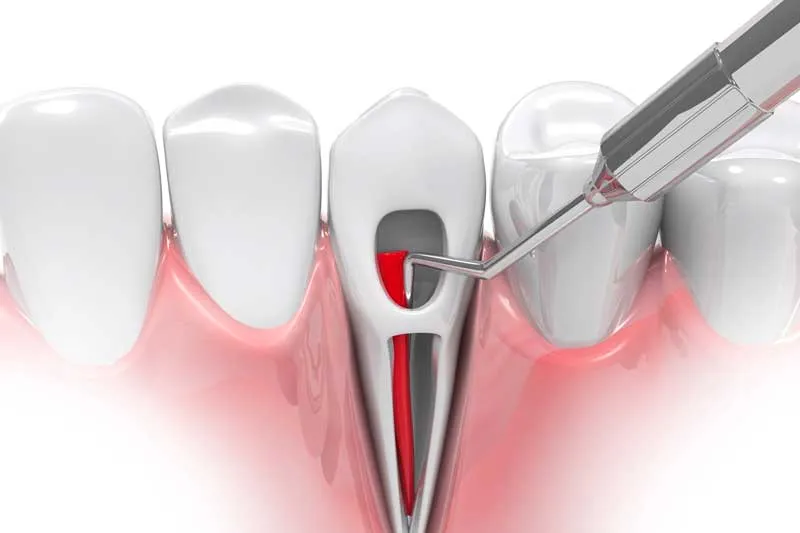
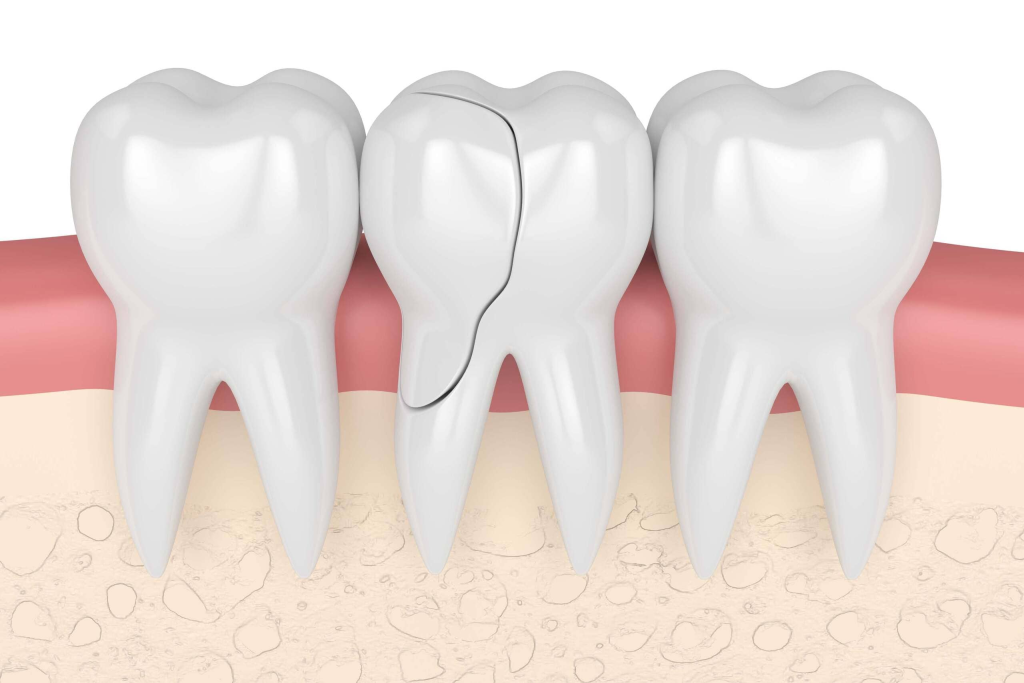
Cracked Tooth Diagnosis: Identify, Treat, and Protect Your Smile
What Is a Cracked Tooth?
A cracked tooth refers to any break or fracture in the tooth’s hard outer layer (enamel) or deeper layers (dentin and pulp). Cracks can range from tiny, hairline splits that are barely visible to larger, more severe fractures that extend into the root. They can occur due to a variety of factors, including trauma (e.g., biting down on hard food, a fall, or dental injury), teeth grinding (bruxism), age-related wear, large fillings that weaken the tooth structure, or sudden temperature changes (e.g., drinking hot coffee followed by cold water).
Signs You May Have a Cracked Tooth
Cracked tooth symptoms can vary depending on the location, size, and depth of the fracture. Some cracks cause immediate pain, while others may not show symptoms until the damage worsens. Watch for these key signs that indicate you may need a cracked tooth diagnosis:
- Sharp pain when chewing or biting down, especially on hard foods (the pain may come and go, making it easy to dismiss).
- Sensitivity to hot, cold, or sweet foods and drinks—this sensitivity may linger even after the stimulus is removed, as the crack can expose the tooth’s inner layers.
- Persistent, throbbing tooth pain that worsens at night, similar to the discomfort associated with pulp damage.
- Swelling, tenderness, or a small bump (abscess) on the gums near the affected tooth—this can signal an infection that has developed due to the crack.
- Discoloration of the tooth, often turning dark yellow, brown, or gray—this may indicate that the crack has reached the pulp, causing damage or infection.
- Tooth pain following a dental injury or trauma, even if the pain is mild or delayed.
Importantly, not all cracked teeth cause pain. Some hairline cracks are asymptomatic, but they still pose a risk of infection or further damage. Your dentist may detect these hidden cracks during a routine exam or X-ray—even if you don’t feel any discomfort. Without timely diagnosis and treatment, a small crack can deepen, reaching the pulp and requiring more invasive care, such as root canal therapy (RCT). In severe cases, the tooth may become too damaged to save, leading to extraction—a far more invasive and costly solution.